
HP PhotoSmart 5520 Ink Cartridges
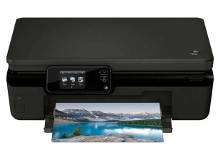
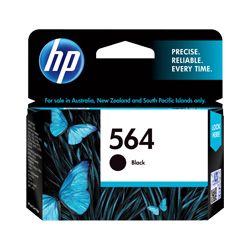
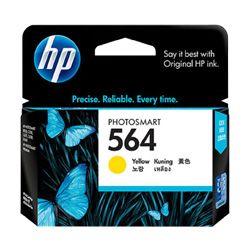
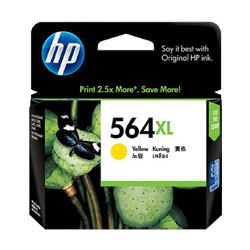
Your HP PhotoSmart 5520 utilises the 564, 564XL ink cartridge system, operating on a four-slot infrastructure that features individual black, cyan, magenta, and yellow cells. We have been supplying replacement consumables for this printer model since Oct 2012, helping families and creative studios complete vivid photo prints and text documents reliably. Our 4.8 Google rating demonstrates our consistent dedication to stable print standards and component reliability. Because common administrative duties demand monochrome text more frequently than extensive full-colour graphics, the standalone black block drops down at a much faster rate, prompting most users to buy independent black cartridges to suit their specific printing patterns.






Estimated page yields and household replacement cycles
Page production parameters for the 564 standard and 564XL high-yield series are calculated in compliance with industry-standard ISO/IEC 24711 diagnostic methods for inkjet setups. Review the performance metrics below to monitor running expenses and check the estimated cost per page details for individual blocks before replacing components.
| Cartridge Number | Type | Colour | Page Yield | Cost Per Page |
|---|---|---|---|---|
| 564 | Standard | Black | 250 | $0.14 |
| 564 | Standard | Cyan | 300 | $0.081 |
| 564 | Standard | Magenta | 300 | $0.081 |
| 564 | Standard | Yellow | 300 | $0.11 |
| 564XL | High Yield | Black | 550 | $0.14 |
| 564XL | High Yield | Cyan | 750 | $0.080 |
| 564XL | High Yield | Magenta | 750 | $0.086 |
| 564XL | High Yield | Yellow | 750 | $0.082 |
Cost Per Page = Total Cartridge Price ÷ Page Yield (at 5% coverage). Prices based on Genuine cartridges.
Sourcing strategies for creative workflows
If your setup requires printing monochrome letters or homework text regularly, purchasing high-yield black lines reduces replenishment downtime. Conversely, keeping fresh individual colour lines on hand ensures that family photos and graphic projects maintain correct tonal balances. All our genuine stock item purchases remain fully protected under original factory warranties. You can review all coverage terms and structural protections by reading our dedicated Returns policy page. Free delivery applies on all orders over $99 (conditions apply). We distribute stock quickly from major logistics hubs situated in Brisbane, Sydney, Melbourne, Adelaide, and Perth to fast-track regional delivery times. Review our entire catalogue of HP ink cartridges online.
Pro Tip
The 564 and 564XL structures utilise an individual tank system where the printhead stays mounted inside the printer carriage. If you encounter missing colour segments or patchy document blocks that automated cleaning processes fail to resolve, removing the cartridges and cleaning the small mesh ink filters below them with a lint-free cloth moistened in distilled water will clear stubborn micro-clogs.
Frequently Asked Questions
Can I run 564XL high-yield ink cartridges alongside standard capacity 564 cartridges?
Yes, you can mix standard capacity 564 and high-yield 564XL cartridges within the internal carriage bay simultaneously. The external dimensions match perfectly, allowing each block to slide and click securely into its designated track while the system tracks the distinct fluid levels independently.
Why does my printer display a low ink warning when there is still fluid visible inside the cartridge tank?
The integrated smart chip mathematically tracks consumption based on page counts and average ink droplet distribution. If your documents contain minimal text lines, the microchip software might trigger the warning alert before the physical liquid supply inside the transparent reservoir chamber has been completely spent.
What happens if I continue printing when one individual colour cartridge is empty?
Because this series runs an independent chamber system, the printer requires all four cartridges to contain fluid to function. Operating the unit when a colour tank is completely dry can cause air to enter the micro-nozzle paths, overheating the internal printhead assembly and potentially causing permanent structural damage to the system.


