
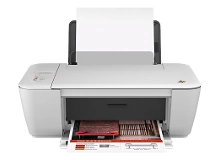
HP DeskJet 1510 Ink Cartridges
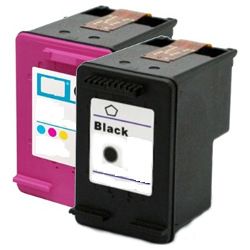
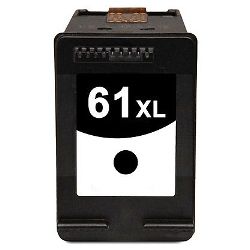
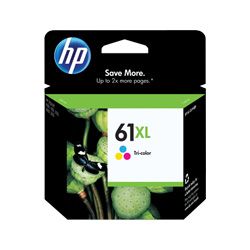
Your HP DeskJet 1510 uses the 61, 61XL ink cartridges. We have been supplying consumables for this printer since 24 Nov 2014, providing reliable options for its two-cartridge system. This setup uses one black and one tri-colour cartridge, where the printhead is built directly into the cartridge unit. Because the tri-colour cartridge houses cyan, magenta, and yellow together, the entire unit requires replacement once a single colour is depleted. Most users find that moving to the 61XL high-yield variants provides better value and longer intervals between replacements for everyday home printing tasks.


Choosing between genuine and compatible options
We stock both genuine HP 61 units and premium compatible alternatives. The compatible 61XL cartridges offer a cost-effective way to maintain your printer without sacrificing output reliability. Under Australian Consumer Law, using compatible cartridges does not void your printer warranty. These third-party options are popular for students and home users looking to reduce their ongoing costs. You can read more about how these differ in our genuine vs compatible guide.
Expected page output and replacement cycles
The number of pages you can print depends heavily on whether you select standard or 61XL cartridges. Standard cartridges are suited for very occasional use, while the 61XL series contains a significantly higher volume of ink. HP determines these yields based on the ISO/IEC 24711 standard for inkjet printing, which simulates continuous printing of a suite of five standard pages. In real-world home use, your yield may vary based on how often the printer performs maintenance cycles or if you print heavy graphics.
| Cartridge Number | Type | Colour | Page Yield | Cost Per Page |
|---|---|---|---|---|
| 61 | Standard | Black | 190 | $0.25 |
| 61 | Standard | Colour | 165 | $0.35 |
| 61XL | High Yield | Black | 480 | $0.21 |
| 61XL | High Yield | Colour | 330 | $0.33 |
Cost Per Page = Total Cartridge Price ÷ Page Yield (at 5% coverage). Prices based on Genuine cartridges.
How most users manage replacements
If you mainly print text-heavy documents, the 61XL black cartridge is the most logical choice as it offers the lowest cost per page. For those who print photos or colour charts, we suggest keeping a spare tri-colour cartridge on hand, as these can run out unexpectedly if one specific colour is used more than others. Our compatible cartridges come with a money-back guarantee to ensure they work seamlessly with your hardware. If you are not satisfied, you can refer to our returns policy.
Free delivery applies on all orders over $99 (conditions apply). To ensure you receive your order quickly, we ship from warehouses in Perth, Brisbane, Sydney, Melbourne, and Adelaide.
Browse our full range of HP ink cartridges.
Pro Tip
Since the HP 61 series uses an integrated printhead, a "cartridge error" can often be fixed by gently cleaning the copper-coloured electrical contacts on the back of the cartridge with a lint-free cloth and a tiny bit of distilled water. This refreshes the connection between the printer and the ink unit.
Frequently Asked Questions
Can I use a 61XL cartridge even if my printer came with a standard 61?
Yes. The 61XL high-yield cartridges are the same physical size as the standard 61 cartridges and fit into the exact same slots. They simply contain more ink inside the internal reservoir, allowing for more prints before replacement.
Why does my printer say "low ink" shortly after I print a few photos?
The HP 1510 uses a tri-colour cartridge system. Photos often use a heavy amount of one specific colour (like Cyan for sky or Yellow for skin tones). Once any one of the three internal chambers is empty, the printer will signal the cartridge is low or empty, even if the other two colours still have ink remaining.
Does the HP 61XL black cartridge last longer than the standard 61?
The 61XL black cartridge contains more than double the ink of the standard version. For the HP DeskJet 1510, this is the most efficient way to print, as it reduces the frequency of the printer's "prime" cycles that occur every time a new cartridge is installed.


