
UPS Battery Packs
UPS Battery Packs are rechargeable power storage units designed to provide immediate backup power to a UPS system in the event of a mains power failure, helping prevent data loss and system disruption.
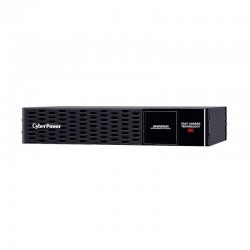


These battery packs are essential components of Uninterruptible Power Supply (UPS) systems used in offices, server rooms, workstations and critical electronic environments. Good UPS battery packs deliver dependable performance, optimal runtime and consistent power delivery.
Available in a range of capacities, chemistries and form factors, UPS battery packs can be selected to match the required load, runtime and application demands.
What Are UPS Battery Packs?
UPS battery packs are assemblies of one or more rechargeable batteries that store electrical energy for UPS systems. When mains power fails or fluctuates beyond set thresholds, these batteries instantly supply stored power to connected devices through the UPS’s inverter circuitry. UPS batteries act as an energy reservoir that bridges the gap between mains power loss and generator or backup power engagement.
Types of UPS Battery Packs
Lead-Acid UPS Battery Packs
Lead-acid batteries, including sealed VRLA (Valve-Regulated Lead-Acid) types, are commonly used in UPS packs due to their cost-effective performance and widespread availability. They offer reliable energy storage for short-term power backup and are often found in small to medium office UPS systems.
Lithium-Ion UPS Battery Packs
Lithium-ion UPS battery packs provide higher energy density, longer service life and lighter weight compared with traditional lead-acid batteries. They recharge quickly and require less maintenance, making them suitable for high-end UPS applications and environments where space and weight are critical.
VRLA & Gel Cell Batteries
Valve-regulated lead-acid (VRLA) batteries and gel cell designs are both used as UPS battery pack technologies. VRLA is the standard sealed option for many UPS systems, while gel cells are similar but use gel electrolytes for enhanced deep-cycle performance in select use cases.
Benefits of UPS Battery Packs
- Instant backup power: UPS battery packs switch on immediately during power outages, protecting devices and data.
- Equipment protection: Helps prevent damage from sudden shutdowns and maintains uptime for critical hardware.
- Voltage stability: Assists UPS systems in managing voltage dips, spikes and irregularities.
- Multiple chemistries: Options like lead-acid and lithium-ion suit different capacity, cost and lifespan needs.
Other products you may interested in


General FAQ
UPS battery packs provide temporary power when mains supply fails, allowing connected devices to keep running until power is restored or a longer-term backup (like a generator) takes over.
Runtime depends on capacity, load and battery type. Typical UPS battery life ranges from a few minutes to support orderly shutdowns or bridge to backup power sources. Life expectancy varies by chemistry and usage conditions.
UPS battery packs are specifically designed for rapid energy discharge and recharge in UPS systems to protect equipment during outages, unlike standard batteries intended for general use.


