
AV Converters
AV Converters adapt audio and video signals between different formats, enabling connection between legacy and modern devices such as TVs, monitors, DVD players and projectors. Choose from HDMI-to-VGA, RCA-to-HDMI and other converter types to suit your equipment and signal needs. Reliable AV converters help ensure compatibility, preserve signal quality and deliver consistent performance across devices.


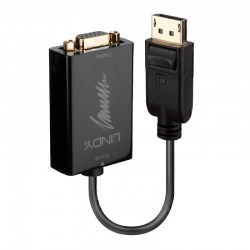

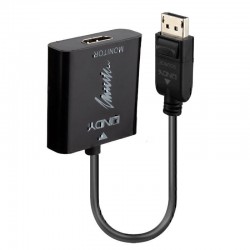

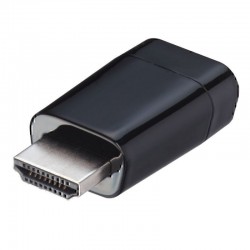


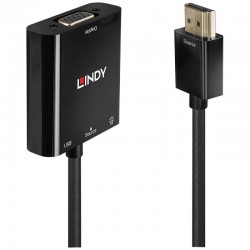
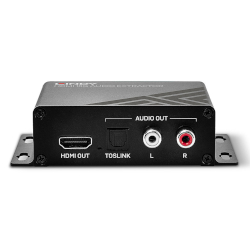
What Are AV Converters?
AV converters are devices that change the type of audio or video signal so two otherwise incompatible pieces of equipment can communicate. They are essential when connecting older analogue sources to newer digital displays or vice versa.
Common Types of AV Converters
HDMI to VGA Converters
HDMI to VGA converters enable digital HDMI outputs (from laptops, streaming devices or modern media players) to connect with analogue VGA displays such as older monitors and projectors.
VGA to HDMI Converters
VGA to HDMI converters allow legacy VGA sources to output to HDMI displays by converting analogue to digital signals, often including audio embedding for complete AV output.
RCA to HDMI Converters
RCA to HDMI converters convert analogue composite video and audio signals (commonly used in older DVD players, gaming consoles and VCRs) to HDMI for modern TVs and displays.
HDMI to RCA Converters
HDMI to RCA converters adapt digital signals from modern devices to analogue format for compatible analogue displays, speakers or recording equipment.
Benefits of Using AV Converters
- Device compatibility: bridge the gap between old and new technologies.
- Signal integrity: preserve audio and video quality during conversion.
- Versatile use: suitable for home entertainment, business presentations and media setups.
- Plug-and-play: many converters are easy to install with minimal configuration.
Other products you may interested in

General FAQ
Basic HDMI to VGA converters often require external power (via USB or adapter) because HDMI is a digital signal and VGA is analogue. Without proper power, conversion may fail or be unstable.
Good quality converters preserve signal clarity and reduce noise or distortion. Lower quality units may exhibit signal loss or reduced resolution — choose converters with proper compatibility and shielding.
AV converters are used to change audio or video signal formats so devices with different output and input types can connect and communicate properly.


